
In recent years, the vegan diet has surged in popularity, with many individuals embracing this plant based lifestyle for ethical, environmental, and health reasons. While a well planned vegan diet can offer numerous health benefits, including lower risks of heart disease, cancer, and type 2 diabetes, it’s essential to acknowledge and address the potential nutrition problems with a vegan diet that may arise from excluding animal products entirely.
In this controversial blog post, Epsom, Surrey based Naturopathic Nutritional Therapist and functional medicine test expert, Natalie @NatNutHC, delve sinto the nutrition problems with a vegan diet, including the nutritional pitfalls that many vegans fall for, and explore ways to mitigate them for optimal health and well-being.
The Nutrition Problems with a Vegan Diet: Protein Deficiency A Common Concern
One of the most prominent criticisms of a vegan diet is its potential for protein deficiency.
While it’s true that plant based sources of protein may not always provide all essential amino acids in optimal ratios, it is entirely possible to meet protein needs on a vegan diet with careful planning. Incorporating a variety of protein rich foods such as legumes, tofu, tempeh, seitan, quinoa, and nuts and seeds can ensure an adequate intake of all essential amino acids.
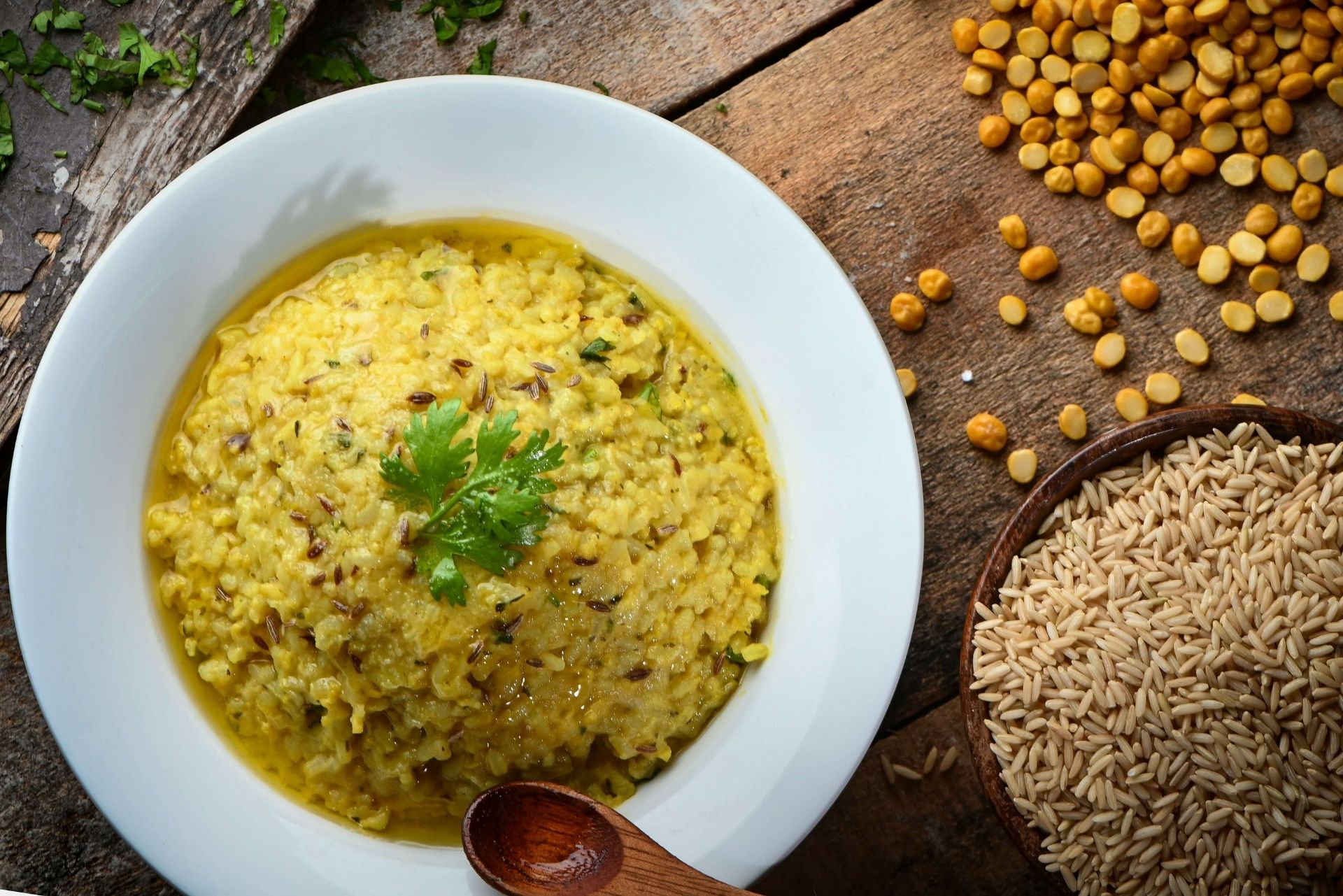
It’s also key to ensure you alternate your plant protein foods, focusing on the same foods all the time will certainly lead to protein deficiencies but if you alternate your intake and mix your sources then this will reduce your chances of protein deficiency. For example, if you are having rice then add a legume such as kidney beans or chickpeas to vary the protein sources.
While meat is always a complete protein source i.e. it contains all essential amino acids regardless of the meat type, plant sources generally do not contain all forms and hence it’s key to alternate and mix your plant proteins. However, some rare plant proteins that can provide all essential amino acids include: spirulina, chia seeds, maca, quinoa, pumpkin seeds, tempeh, buckwheat and nutritional yeast. Please feel free to download our handout on alternation of plant-protein foods for further information.

The Nutrition Problems with a Vegan Diet: Micronutrient Shortfalls The Need for Supplementation
Another area of concern with a vegan diet is the risk of micronutrient deficiencies, particularly vitamin B12, iron, calcium, zinc, and omega-3 fatty acids. These nutrients are primarily found in animal-derived foods, and vegans may need to pay extra attention to their intake to avoid deficiency. We recommend functional testing to confirm nutrient deficiencies if you are concerned or have signs of nutrient deficiency. Please visit our functional testing page for further information.
While fortified foods and plant-based sources can help meet nutrient needs, supplementation may be necessary for certain nutrients, such as vitamin B12, which is not naturally found in plant foods. Let’s take a deeper dive into some of these key nutrients:
Iron and B12 Absorption Challenges: Enhancing Bioavailability
Iron and B12 deficiency are common issues among vegans and often linked to vegans suffering from fatigue, exhaustion, numbness and tingling of the extremities.
Plant based sources of iron (non-heme iron) are less readily absorbed by the body compared to animal derived sources (heme iron), however, to enhance iron absorption, it’s important to consume iron rich plant foods such as amaranth, sesame seeds, parsley, lentils, and tempeh with vitamin C rich foods, such as citrus fruits, bell peppers, and leafy greens.
While B12 is found in abundance in meat based foods, it is relatively rare to find in plant based foods. B12 rich vegan foods would include: nutritional yeast, chlorella, nori, kombu, as well as shiitake and lion’s mane mushrooms.
B12 and many of the amino acids found in protein rich foods are also key nutrients involved in the body’s methylation cycle, which is fundamental to our body’s effective detoxification, DNA synthesis, antioxidant capabilities, hormone balance and blood pressure maintenance for example.
In other instances, many individuals have defects on their genetic capabilities to convert B12 to its active form, and thus may need supplementation of the active B12 form. Nutrigenomic testing can be used to assess your B12 conversion potential. Learn more about nutrigenomic testing here.
Supporting Gut health and stomach acidity is also key to ensuring the bioavailability and hence the absorption of both iron and B12. If you experience bloating, excessive flatulence, burping or acid reflux or are taking a proton pump inhibitor such as omeprazole or lansoprazole for example, it’s likely you have low stomach acidity and you may not be easily absorbing the nutrients in your food.
Omega-3 Fatty Acid Imbalance: Seeking Alternatives
Omega-3 fatty acids, particularly EPA and DHA, are essential for brain health, heart health, skin health and inflammation regulation. While plant based sources such as flaxseeds, chia seeds, and walnuts provide alpha-linolenic acid (ALA), the conversion of ALA to EPA and DHA in the body may not be efficient and is often subject to individual genetics that can be tested via nutrigenomic tests.
If you are suffering from conditions associated with inflammation such as joint pain, migraines, fatigue, brain fog, acne, dry skin and lack of concentration for example, these are signs you could potentially be deficient in omega-3 fatty acids.
Vegans may therefore consider supplementation with algae-derived omega-3 supplements to ensure an adequate intake of these vital nutrients. They may also wish to consider nutrigenomics testing to see if they have issues with converting their omega3 fatty acids and thus how much supplementation they may need to rely upon.
Vitamin A: Genetic conversion capabilities
The active form of Vitamin A is only found in meat products, while plant based foods contain beta carotene, which needs to be converted to the active Vitamin A form to effectively support immune health, eye health, the mucosal lining of our GUT and to help our skin retain moisture. However, individuals who have certain single nucleotide polymorphisms (snp’s) on the genes responsible for converting beta carotene to its active form may need to consider Vitamin A supplementation to support their needs.
The only way to know if your genetics struggle with converting beta carotene to the active Vitamin A form would be to undertake a nutrigenomics test. Learn more about our nutrigenomics tests here.
Conclusion: Navigating the Challenges of Vegan Nutrition
While a vegan diet can offer numerous health benefits when well planned, it’s essential to acknowledge and address the potential nutrition problems with a vegan diet. Protein deficiency, micronutrient shortfalls, iron and B12 absorption challenges, beta carotene to Vitamin A conversion capabilities, and omega3 fatty acid imbalances are among the most pressing concerns for vegans. However, with careful planning, supplementation, when necessary, assessment of genetic capabilities via nutrigenomics testing, and attention to nutrient rich plant foods, it is entirely possible to thrive on a vegan diet while supporting optimal health and well-being.
As with any dietary approach, it’s crucial to consult with a qualified healthcare provider or qualified and insured naturopathic nutritional therapist to ensure that individual nutrient needs are being met and to address any potential deficiencies, concerns or genetic disadvantages. By staying informed and proactive about nutrition, vegans can navigate the challenges of their dietary choices and reap the benefits of a plant based lifestyle for years to come.
Seek professional support
If you are suffering from fatigue, anaemia, autoimmune disease, exhaustion, numbness or tingling of the extremities, issues with digestive health including bloating, constipation, and have signs of inflammation it’s important to get your dietary and nutrient intake assessed by a health care professional or qualified and insured naturopathic nutritional therapist who can take a holistic and thorough review of your personal circumstances including undertaking of appropriate tests such as bloods, stool testing, and nutrigenomic testing to truly assess your specific needs.
At NatNutHC we have worked with numerous clients throughout London and the South of England especially those living in Epsom & Worcester Park, Surrey and Hove in Sussex. We have helped transform their health and overcome issues with inflammation, bloating, constipation, exhaustion, anaemia, fatigue and thyroid dysfunction for example.
We also work in collaboration with a clinical psychologist Dr Vikki Kelly, and thus can also provide you with a holistic level of care if there are also any signs of depression or anxiety by supporting both your psychological health and your nutrition.
If you would like more information on the best diet and supplements for your particular needs and for more details on how naturopathic nutritional therapy can support you, get in touch today via: info@natnuthc.co.uk, or visit our website: www.natnuthc.co.uk and book your free 15-minute no obligation discovery call to find out more.
Let a fully qualified and insured naturopathic nutritional therapist help you today.
Alternatively, please follow us on Instagram or facebook @natnuthc for more tips and advice on how naturopathic nutritional therapy can support you and your family.
If you liked this post, you may also like:
Plant-Based Diets Unveiled: The Nutrition Truth of the Vegetarian Diet
Book your Free 15-minute Discovery call with Natalie @natnuthc to find out exactly how we can transform your mental & physical health.

Lets Get Social
The information provided in this article is for educational purposes only and is not intended as medical or nutritional advice. Always consult with a qualified healthcare professional before making any changes to your diet, lifestyle, or health care regimen. Individual needs may vary, and what works for one person may not be appropriate for another.