
In recent years, plant-based diets have gained widespread attention for their potential health benefits, environmental sustainability, and ethical considerations. While many equate plant-based diets with vegetarianism or strict veganism, the nutrition truth of the vegetarian diet in terms of the science and the commonly used phrase ‘plant-based’ diet is that ‘plant-based’ in fact encompasses a spectrum of dietary patterns; does not always mean NO meat and NO fish, and often includes moderation-based approaches like the Mediterranean diet for example.
Plant-based just means that the diet includes an abundance of plant produce, but it doesn’t necessarily mean NO meat and NO fish. Consequently many individuals have got it wrong, they think a vegetarian diet equals health but in fact, in many cases the vegetarian diet (if not carefully managed) can lead to multiple nutrient deficiencies especially iron, iodine, omega3 fatty acids, and vitamin B12 and can lead to fatigue, hormone imbalance, insulin resistance, inflammation, thyroid dysfunction, myelin sheath deterioration, and weight gain.
In this blog post, Epsom, Surrey based Naturopathic Nutritional Therapist and functional medicine test expert, Natalie @NatNutHC, explores the scientific evidence behind a ‘plant-based diet’ and debunks common misconceptions, highlighting the versatility and inclusivity of the ‘plant-based’ dietary approach.

Rethinking Plant-Based Diets: A Shift Towards Moderation
Plant-based diets are often perceived as restrictive or exclusionary, requiring individuals to eliminate animal products entirely, but this can often lead to numerous nutrient deficiencies, which are discussed in one of our other blogs: The Nutrition Problems of a Vegan Diet.
However, the nutrition truth of the vegetarian diet in terms of the clinical evidence, is that the phrase ‘plant-based’ gets misconceived as being a vegetarian or vegan diet, but when you dig deep into the studies the essence of a plant based diet lies in prioritising plant foods while allowing for flexibility and moderation with other food groups.
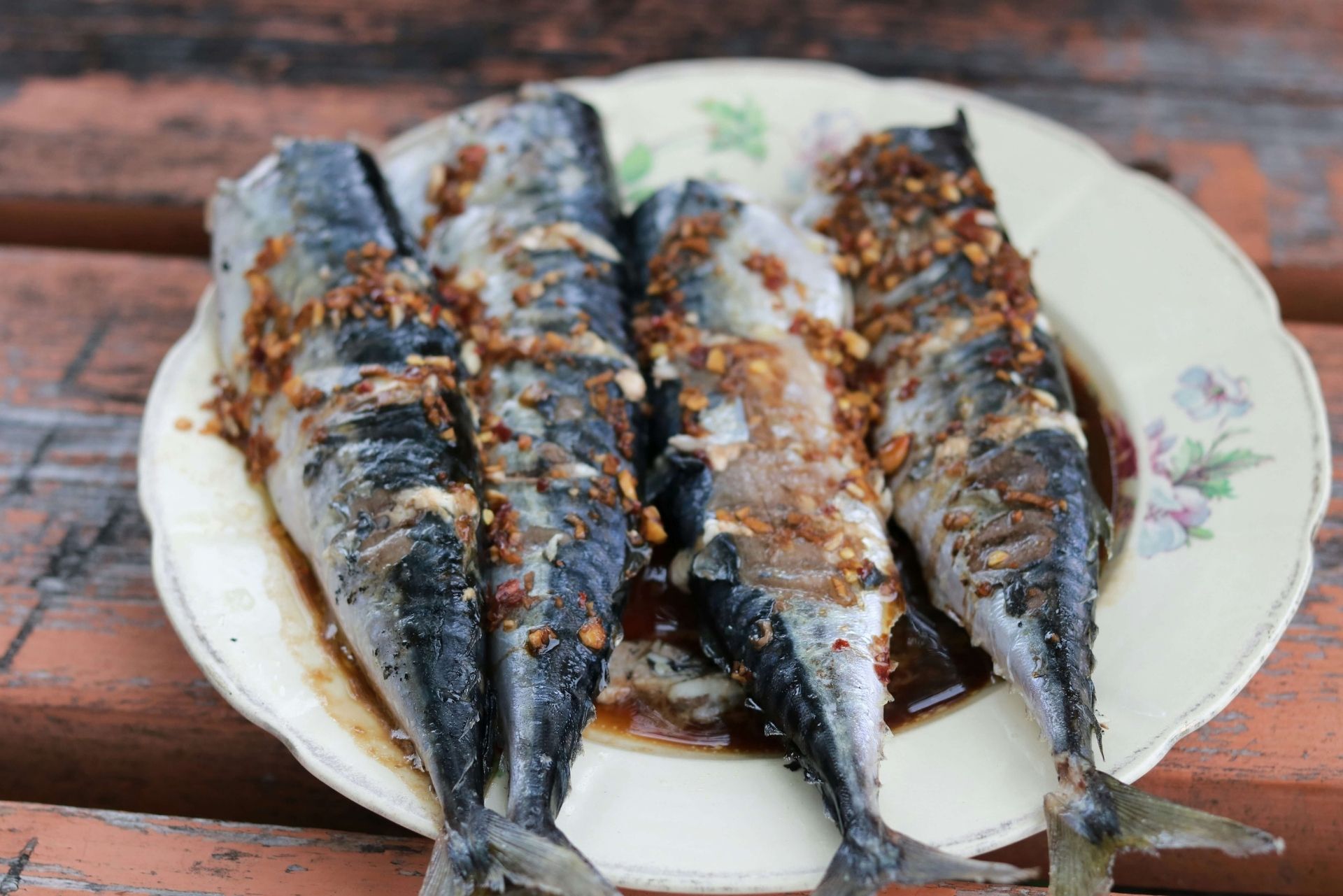
The Mediterranean diet, for example, is a prime example of a plant-based dietary pattern that emphasises fruits, vegetables, whole grains, legumes, nuts, seeds, and olive oil, while still including moderate amounts of quality and local fish, poultry, dairy, and occasional red meat.
The Mediterranean Diet: A Blueprint for Health and Longevity
The Mediterranean diet has garnered widespread acclaim for its numerous health benefits, including reduced risks of heart disease, stroke, cancer, and cognitive decline. It is rich in antioxidants, fibre, healthy fats, and phytonutrients.
The Mediterranean diet offers a balanced and sustainable approach to nutrition that prioritises whole, minimally processed foods while still allowing for enjoyment and indulgence in moderation but does not entirely exclude meat, fish and dairy.
Scientific Evidence Supporting Plant-Based Diets
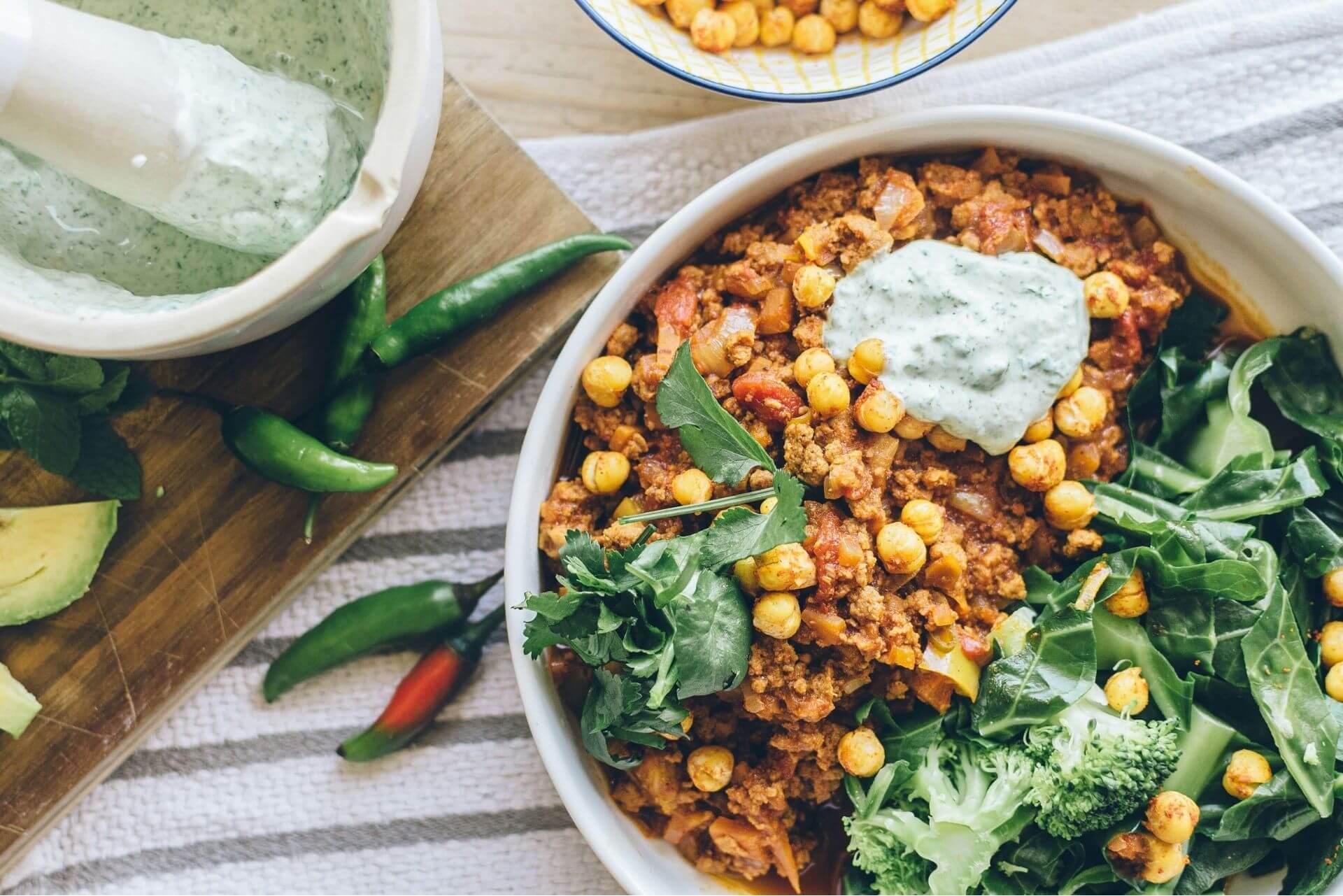
Numerous studies have demonstrated the health promoting effects of plant based diets, regardless of their degree of strictness or adherence to vegetarianism.
Research consistently shows that diets rich in fruits, vegetables, whole grains, legumes, nuts, and seeds are associated with lower risks of chronic diseases, improved weight management, improved metabolic syndrome, and enhanced overall well-being. Furthermore, plant-based diets have been linked to favourable changes in biomarkers of inflammation, oxidative stress, and cardiovascular health.
In contrast, numerous studies show the health consequences and detriment of ultra processed foods, which are not void in those following a vegetarian or vegan diet. In fact, there are numerous ultra processed vegan and vegetarian based food products on the market. Just because these foods are promoted as vegetarian or vegan does not mean they are healthy, in fact quite the opposite. An ultra-processed food, after all, is an ultra-processed food, and regardless of whether the product is vegetarian or not, will contain multiple chemicals, artificial preserving agents, damaged fats, and processed sugars, which are all detrimental to health.
Finding Balance and Flexibility
Embracing a plant based diet doesn’t have to mean sacrificing enjoyment or satisfaction in your meals. The nutrition truth of the vegetarian diet, in terms of the scientific evidence, is more about adopting a flexible and balanced approach. Individuals can reap the benefits of plant based eating while still incorporating their favourite foods and flavours, and reaping the benefits of nutrient dense meat and fish produce especially rich in iron, B12, iodine and omega 3 fatty acids, all of which have multiple health benefits, are commonly low in vegetarian and vegan diets and when low are often linked to symptoms of thyroid dysfunction, anaemia, fatigue, hormone imbalance and cardiovascular disease for example.

Conclusion: Embracing Diversity in Plant-Based Nutrition
In conclusion, the nutrition truth of the vegetarian diet and plant based foods extends far beyond the confines of vegetarianism or strict veganism. Plant based eating encompasses a diverse range of dietary patterns, from moderation-based approaches like the Mediterranean diet to more restrictive plant only diets. Regardless of the specific dietary pattern followed, the common thread among all plant-based diets is the emphasis on whole, minimally processed, and seasonal based foods, along with moderation, diversity, and quality as the foundation of a healthy eating pattern.
By embracing the versatility and inclusivity of plant based nutrition, individuals can harness the health promoting benefits of plant foods while still enjoying the pleasures of a varied and balanced diet. Whether you’re interested in reducing your carbon footprint, improving your health, or exploring new culinary horizons, plant based eating offers a world of possibilities for nourishing both body and soul.
At NatNutHC we have worked with numerous clients throughout London and the South of England especially those living in Epsom, Surrey and Hove in Sussex. We have helped transform their health and overcome issues with inflammation, GUT health, thyroid dysfunction, anaemia, fatigue, cardiovascular disease, perimenopause, PMS, hormone imbalance and cancer for example.
If you would like more information on the best diet and supplements for your particular needs and for more details on how naturopathic nutritional therapy can support you, get in touch today via: info@natnuthc.co.uk, or visit our website: www.natnuthc.co.uk and book your free 15-minute no obligation discovery call to find out more.
Let a fully qualified and insured naturopathic nutritional therapist help you today.
Alternatively, please follow us on Instagram or facebook @natnuthc for more tips and advice on how naturopathic nutritional therapy can support you and your family.
If you liked this post, you may also like:
The Controversy: The Nutrition Problems with a Vegan Diet
Book your Free 15-minute Discovery call with Natalie @natnuthc to find out exactly how we can transform your mental & physical health.

Lets Get Social
The information provided in this article is for educational purposes only and is not intended as medical or nutritional advice. Always consult with a qualified healthcare professional before making any changes to your diet, lifestyle, or health care regimen. Individual needs may vary, and what works for one person may not be appropriate for another.