
When planning to start a family, most couples focus on the timing of the woman’s menstrual cycle but often overlook the pivotal role naturopathic nutrition can play in this journey and the time before a woman is most fertile e.g. when her eggs and her man’s sperm are in the developmental and maturation stage! Starting naturopathic nutrition support at least 3 months before trying to conceive is crucial for both ovum (egg) development and sperm health.
This 3 month period prior to conception allows both partners to cultivate an optimal internal environment, increasing the likelihood of conception and a healthy pregnancy.
In this blog post, Naturopathic Fertility and Pregnancy Nutrition and functional medicine test expert Natalie, explains why starting nutritional therapy 3 months prior to trying to conceive can help optimise your fertility chances and support a healthy pregnancy.
Ovum (Egg) Development: A 90-Day Process
For women, the process of ovum maturation is both intricate and prolonged. The ovarian follicles, which are tiny sacs within the ovaries that contain your eggs, take approximately 90 days to mature before ovulation (aka the point at which the eggs are released into the uterus ready to be fertilised).
During these 90 days, the primordial follicles develop through several stages before they become a mature follicle ready for ovulation. Naturopathic nutrition support during this time ensures the follicles receive adequate support to grow healthily, which can be crucial for the egg’s ability to be fertilised, to embed into the endometrial lining and develop into a healthy pregnancy.
Key nutrients including folate, Vitamin D, Omega-3 fatty acids, and antioxidants are vital. Folate is well-known for preventing neural tube defects but also plays a crucial role in DNA synthesis and repair. Vitamin D and Omega-3s are important for hormone regulation, while antioxidants help to protect the cells from oxidative damage, so they are effectively healthier.
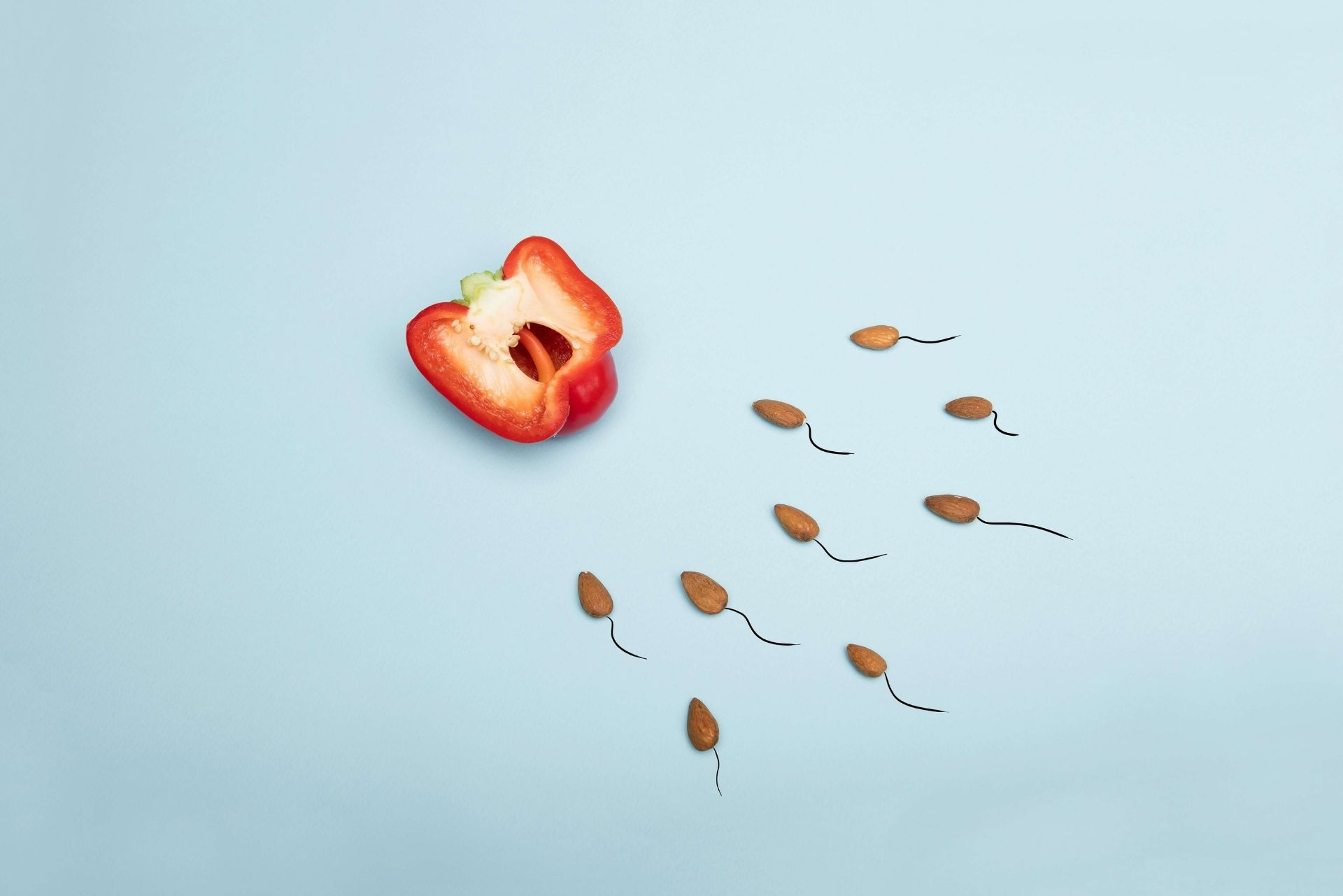
Sperm Health: Creating Quality Gametes
Men also need to consider starting naturopathic nutrition support 3 months before trying to conceive for optimal fertility support.
Sperm production takes approximately 74 days from start to finish, so the health of the sperm being produced now will be reflective of the body’s condition 3 months prior.
The health of sperm includes its ability to move efficiently (motility), its shape (morphology), and the overall sperm count, and this can be influenced by a man’s nutritional status. Zinc, selenium, Coenzyme Q10, and Vitamin C all contribute to sperm health and development.
Sperm DNA fragmentation can lead to unsuccessful fertilisation or poor embryo development. Antioxidants such as Vitamin E and the co-factors involved in glutathione synthesis such as selenium and l-cysteine can help reduce oxidative stress and improve DNA integrity for optimal fertility.

Shared Naturopathic Nutritional Support
Both partners should focus on achieving a healthy weight, managing stress, and abstaining from harmful habits like smoking and excessive alcohol consumption, all of which can adversely affect fertility.
A diet rich in whole foods like fruits, vegetables, lean proteins, and healthy fats such as oily fish, nuts and seeds can all help in forming a solid nutrition foundation.
Avoiding processed foods, trans (fake) fats and heated seed oils is also recommended.
It is also worth considering the GUT health and immune function of both the male and the female. More information about this can be found in our other blogs; Fertility and GUT Health and Immune Dysfunction and Fertility.
Importance of Medical Guidance
It’s always wise to consult health care professionals, a naturopathic nutritional therapist or functional medicine practitioner to tailor an eating plan that meets your specific needs. Preconception supplements should be considered as well, but only under professional guidance because many supplements on the market are of a low quality and may not be well absorbed, they may also interact with any medication you may be taking.
Conclusion: Naturopathic Nutrition support for optimal fertility and pregnancy health
In an ideal world naturopathic nutrition support for optimal fertility and pregnancy health should begin 3 months before trying to conceive, when we consider that the sperm and the eggs used to grow a healthy baby start their development and maturation 3-months prior to ovulation and the possibility of fertilisation, then it’s easy to understand that this is how couples can significantly optimise their fertility chances and promote a healthy and sustainable pregnancy.
At NatNutHC we have supported numerous clients throughout London and the South of England especially those living in Epsom and Worcester Park, Surrey and Hove, Sussex, UK.
If you would like more information on the best diet and supplements for your particular needs, or want to learn more about how naturopathic nutritional therapy and functional medicine can support your fertility and pregnancy goals, get in touch today via: info@natnuthc.co.uk, or visit our website: www.natnuthc.co.uk and book your free 15-minute no obligation discovery call.
Alternatively, please follow us on Instagram or facebook @natnuthc for more tips and advice on how naturopathic and nutritional therapy can support you and your family.
If you liked this post, you may also be interested to read:
Embracing Fertility: How Functional Nutrition Supports Conception and a Healthy Pregnancy
Is Gut Health the Foundation for Fertility?
Promotion of a Successful Pregnancy: Understanding Immune Dysfunction and Miscarriage
How Functional Nutrition Supports a Sustained Pregnancy to Full Term
Book your Free 15-minute Discovery call with Natalie @natnuthc to find out exactly how we can transform your mental & physical health.

Lets Get Social
The information provided in this article is for educational purposes only and is not intended as medical or nutritional advice. Always consult with a qualified healthcare professional before making any changes to your diet, lifestyle, or health care regimen. Individual needs may vary, and what works for one person may not be appropriate for another.