
Arthritis, a common condition characterised by joint pain, stiffness, and inflammation, affects millions of individuals worldwide. While medication and physical therapy play vital roles in managing arthritis, naturopathic nutrition also holds the key to reducing symptoms and improving quality of life.
In this blog, Epsom, Surrey based Naturopathic Nutritional Therapist and functional medicine test expert, Natalie @NatNutHC, explores how the right dietary choices can help in managing arthritic pain with nutrition by incorporating anti-inflammatory foods into your daily routine.
The Link Between Managing Arthritis and Pain with Nutrition using An Anti-Inflammatory Diet
Inflammation is the body’s natural response to protect itself against harm. During an acute situation such as injury or infection, an inflammatory response is necessary for healing. However, chronic inflammation, which in essence is when the immune response does not know when to switch off, can lead to various health issues, including arthritis. Certain foods can exacerbate inflammation, while others possess anti-inflammatory properties that may help manage and reduce pain.
Foods to Avoid:
Reducing or eliminating certain foods from your diet can significantly impact inflammation levels and help reduce pain. Pay attention to:
Ultra Processed Foods:
Foods high in trans fatty acids, preservatives, and additives. Processed foods can trigger inflammatory responses, which can add to pain symptoms.
Refined Sugars:
Sugary snacks and beverages contribute to the release of cytokines; these are inflammatory messengers in the body and will add to the inflammatory cascade. See our other blog on managing blood sugar for further information. and will drive symptoms of arthritic pain.
Non-organic Red Meats:
The evidence shows that organic grass fed meats are far less inflammatory than non-organic meats raised on processed pellet foods. Therefore, always opt for organic grass fed meats.
Processed Meats:
Processed meats like salamis, and sausages for example often have added chemicals, wheat, and preservatives, which all add to the chronic inflammation picture.
Non-Organic Dairy Products:
There is a lot of controversy around dairy produce, some argue it is inflammatory and others argue it is not. However, when we dug deep into the clinical evidence, we conclude the issue comes down to quality. Like meat products, it’s important to focus on non-processed and organic produce, and vary your dairy sources by including sheep, goat, and buffalo dairy.
Cooking with seed oils:
Seed oils such as vegetable oil, rapeseed oil and canola oil do not have a high heat point, meaning when they are used for cooking their molecular structure changes and they become damaging to our internal health and drive inflammation. Instead cook with fats that are stable at high heat such as coconut fat, ghee, and butter.
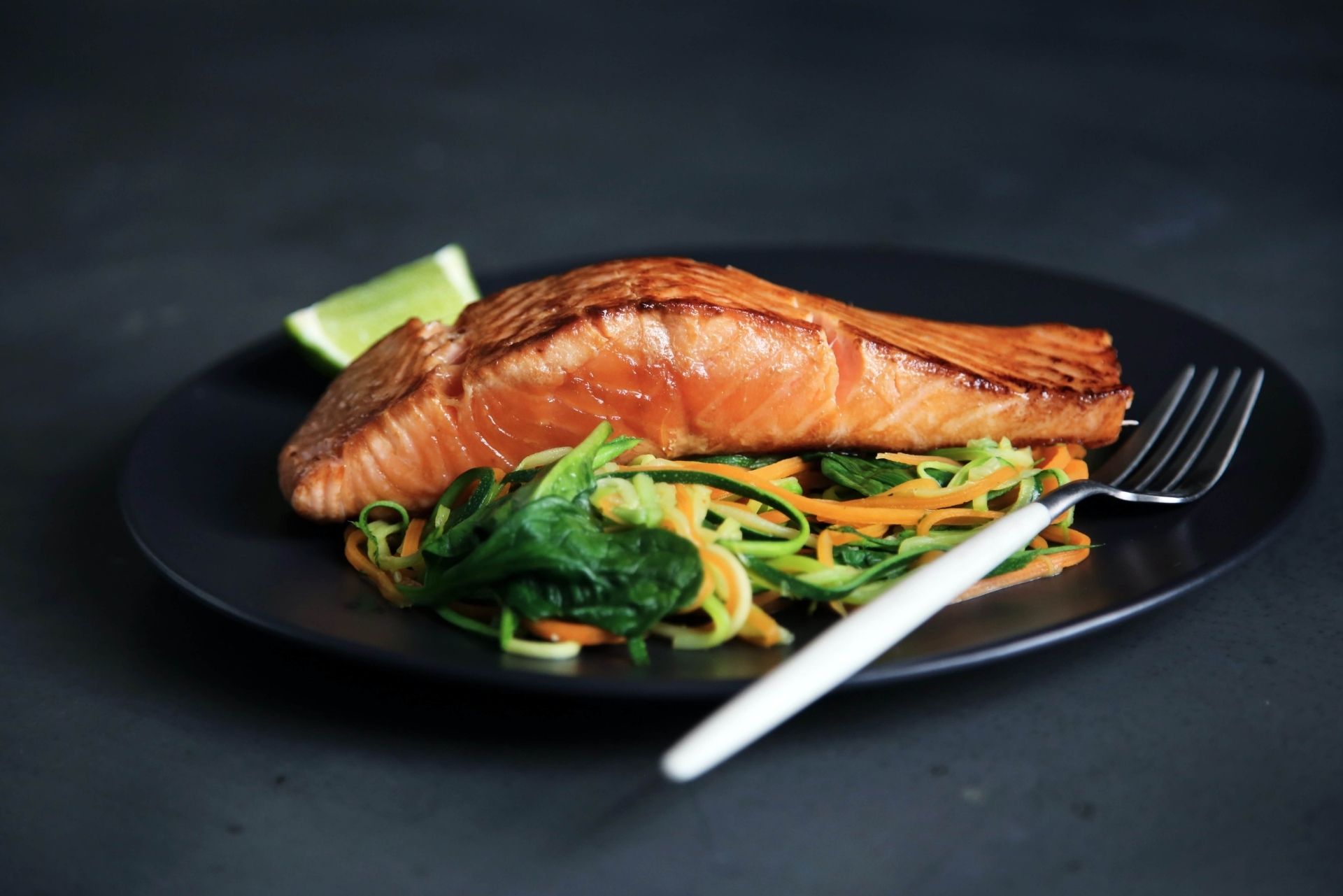
Anti-Inflammatory Foods to Embrace:
Emphasising specific foods in your diet can help combat inflammation:
Fatty Fish:
Fish rich in omega-3 fatty acids, like salmon, mackerel, sardines, and anchovies can reduce inflammation.
Fruits and Vegetables:
Fruits & vegetables packed with antioxidants, vitamins, and minerals, these plant-based choices can help decrease oxidative stress and inflammation.
Whole Grains:
Whole grains offer fibre and nutrients that may lower levels of C-reactive protein, a marker of inflammation.
Nuts and Seeds:
Almonds, walnuts, chia seeds, and flaxseeds contain healthy fats and are excellent anti-inflammatory options.
Herbs and Spices:
Turmeric, ginger, rosemary, thyme, sage and garlic are not only flavourful but also possess potent anti-inflammatory properties
Supplements: Do They Help?
Some individuals opt for dietary supplements to manage their arthritis and pain. Here are a few that might be beneficial:
Omega-3 Supplements:
For those who don’t eat fish, omega-3 supplements can be a good alternative. However, it’s important to ensure they are good quality and free of trace metals.
Glucosamine and Chondroitin:
These are common supplements that may help with joint pain and function.
Vitamin D3:
Adequate vitamin D levels are essential for bone health and may influence inflammatory responses. Vitamin D3 can regulate our T-Cells, these are immune cells responsible for regulating and switching off the inflammatory cascade.
Staying Hydrated is Key
Beyond what you eat, drinking plenty of filtered water is crucial in managing arthritis and pain. Hydration can aid in maintaining joint lubrication and reducing friction, potentially alleviating some discomfort.
Creating Your Anti-Inflammatory Diet
While there’s no one-size-fits-all diet for arthritis, creating a balanced and varied meal plan focusing on anti-inflammatory foods can provide relief. Consider the following tips:
Plan Meals Ahead: Incorporate a variety of anti-inflammatory foods when mapping out your weekly meals.
Cook at Home: Preparing your own meals gives you control over ingredients, ensuring you avoid inflammatory additives and seed oils.
When you cook at home, bulk cook: cooking in bulk, means you can freeze your meals in portion sizes ready to consume when needed or take with you to work for example. Stews and soups work well when cooked in bulk and can easily be transported into a thermos flask to take out with you.
Mind Your Portions: Overeating can lead to weight gain, which puts extra pressure on joints and may increase pain.
It’s not just about Nutrition
Finally, while it may seem difficult due to your pain, it’s importance to understand the role of mobility. The less mobile we are, the stiffer our joints become, if you can be active this will provide much relief and support.
Weight bearing exercise for example is especially good for your joint health.
Start slow, don’t push yourself too hard and know your limits. Where possible join a local gym and get support from a qualified personal trainer who understands your condition and can adjust your exercise regime accordingly.
If joining the gym is too much for you right now, start with some short walks, or some online yoga or Pilates classes. Alternatively, get out in the garden and do some gardening. The key is to stay mobile; if you don’t use it, you ultimately lose it!
Seek Professional Support
Before making significant changes to your diet or beginning supplements, it’s essential to consult with a healthcare provider or a qualified and insured naturopathic nutritional therapist. They can tailor dietary recommendations to your individual needs and ensure you’re getting the necessary nutrients. They are also trained to practice safely especially if you are taking pharmaceutical medications, which you often cannot combine with many herbal supplements. They can also help to dig deep, recommend relevant functional medicine testing, and unpick the root cause of what may be driving your condition, as well as ensure there are no interactions with any existing pharmaceutical medications you may be taking.
Conclusion
While arthritis can be a challenging condition to live with, finding relief from your pain may be as close as your kitchen. By making mindful food choices and avoiding inflammatory triggers, you can potentially diminish arthritic pain and enhance your overall wellbeing. Remember, a holistic approach to managing arthritis often yields the best results, so consider how diet, along with other lifestyle changes such as weight bearing exercise, can work together to support your health.
At NatNutHC we have worked with numerous clients throughout London and the South of England especially those living in Epsom, Surrey and Hove in Sussex. We have helped transform their health and overcome issues with inflammation, arthritis, pain, rheumatoid arthritis, osteoporosis, bloating, constipation, and fatigue for example.
If you would like more information on the best diet and supplements for your particular needs and for more details on how naturopathic nutrition can support you, get in touch today via: info@natnuthc.co.uk, or visit our website: www.natnuthc.co.uk and book your free 15-minute no obligation discovery call to find out more.
Let a fully qualified and insured naturopathic nutritional therapist help you today.
Alternatively, please follow us on Instagram or facebook @natnuthc for more tips and advice on how naturopathic nutritional therapy can support you and your family.
If you liked this post, you may also like:
Understanding Stress and its Impact on Health: A Naturopathic Nutrition Experts Perspective!
Book your Free 15-minute Discovery call with Natalie @natnuthc to find out exactly how we can transform your mental & physical health.

Lets Get Social
The information provided in this article is for educational purposes only and is not intended as medical or nutritional advice. Always consult with a qualified healthcare professional before making any changes to your diet, lifestyle, or health care regimen. Individual needs may vary, and what works for one person may not be appropriate for another.